NEWS
| Title | Gaon Cable Enters US Nuclear Power Cable Market in Move to Preempt Local Competition |
|---|---|
| Date | 2026-10-12 |
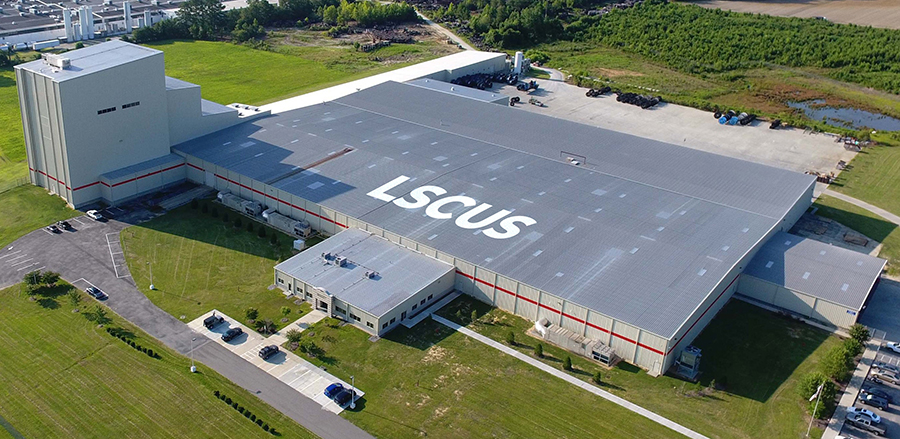
Photograph) Panoramic view of Gaon Cable's US production subsidiary LSCUS
■ To construct nuclear power cable production system at LSCUS in North Carolina
■ Preemptively securing local supply chain in preparation for expansion of US nuclear power
■ Targeting US supply chain with competitiveness in local production and high-mix, low-volume manufacturing
Gaon Cable is further expanding its North American power infrastructure business by entering the US nuclear power cable market.
The company announced on the 12th that LSCUS, its US production subsidiary, is planning to build nuclear power cable production facilities at its plant in Tarboro, North Carolina.
This is part of its strategy of preemptively securing a local supply chain in preparation for the future expansion of the US nuclear power market, including small modular reactors (SMRs). The company recently established a transmission network business based on overhead lines and is now aiming to broaden its local production lineup to include nuclear power cables as it pushes further into the US power infrastructure market.
New nuclear power plant construction has been limited in the US for several decades, so there is no well-established local supply chain for nuclear power cables and other related equipment. As nuclear power gains renewed attention due to increasing power demand from AI data centers and the push for better energy security, the demand for related equipment is growing apace, as is the importance of securing relevant supply chains.
Nuclear power plants typically require more than 50,000 electrical cable circuits, which means massive demand for power, control, and instrumentation cables. Nuclear power cables are quintessential high-mix, low-volume product that require diverse specifications depending on their location and purpose.
To enter the local supply chain, LSCUS plans to acquire the necessary certifications and cooperate with domestic nuclear power companies by drawing on Gaon Cable's technological prowess in specialized cables.
Industry observers expect demand for nuclear power cables to increase continuously in line with the expansion of large-scale nuclear power plants and SMRs in the US. The ongoing operation of existing nuclear power plants also means steady demand for the replacement of aging cables. If Korean companies expand their participation in US nuclear power projects, this will lead to the formation of additional markets as well.
"As the US nuclear power market expands and the participation of domestic companies in US projects kicks into high gear, we expect new opportunities to open up for local equipment suppliers," said a company spokesperson. "We plan to aggressively target the US nuclear power market based on our diverse power and control cable production experience and LSCUS's local production base."
-
Liên hệ chúng tôi
-
Trang liên quan
LS Group/HoldingsSubsidiariesProduct SitesThông tin sản phẩm.
Theo dõi chúng tôi


-